Understanding
stress
& how to live
with it.
A free, informational guide to mental well-being, everyday stress and the lifestyle habits most commonly discussed in wellness research — written clearly, without hype or miracle claims.

"Awareness is the first and most important step in understanding how stress affects everyday life."
General Wellness Principle · For educational reference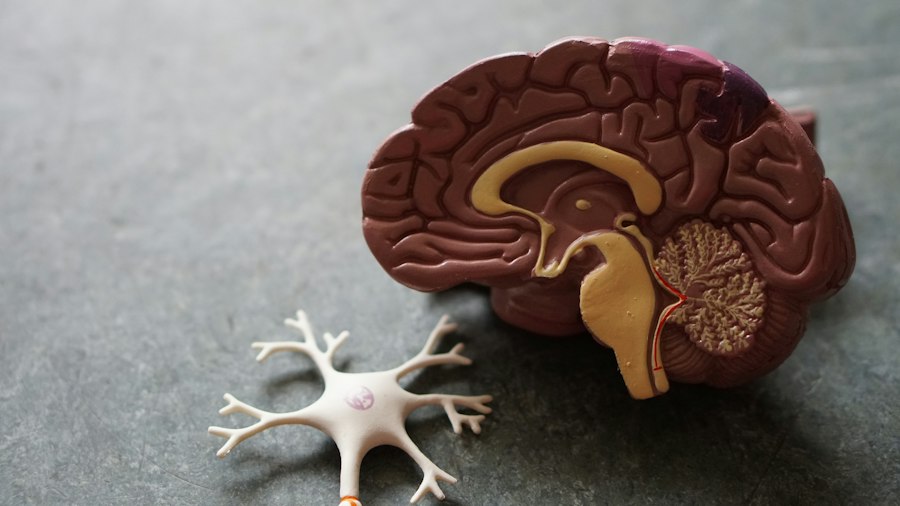
What stress actually does to the body
When the body perceives a threat — real or imagined — it activates what researchers call the "fight-or-flight" response. This triggers the release of hormones like cortisol and adrenaline, which prepare the body for immediate action.
While this response is useful in short bursts, research suggests that chronic activation — driven by ongoing work, social or lifestyle pressures — may affect sleep quality, digestion, concentration and general well-being over time.
Understanding this mechanism is widely considered a useful first step in developing a more informed relationship with everyday stress.
Read more in our newsletterEducational reading
on mental well-being

Why consistent sleep timing matters
Sleep researchers commonly reference the role of circadian rhythm — the body's internal clock — in regulating energy, mood and cognitive function throughout the day.

An introduction to diaphragmatic breathing
Slow, deep breathing techniques are among the most widely referenced self-regulation tools in stress management literature — accessible, free, and requiring no equipment.

How physical activity and mood are connected
A substantial body of research explores the relationship between regular physical activity and mental well-being — particularly the role of movement in managing everyday stress responses.
"Taking care of your mental well-being is not a luxury — it is an ordinary, learnable part of living a healthy life."Informational editorial — Living Healthy Life
Common habits in
stress management
education
The following are general lifestyle habits frequently discussed in wellness education. They are presented for informational purposes only — not as medical recommendations.
Establishing a regular sleep routine
Going to bed and waking at consistent times is among the most frequently cited recommendations in sleep hygiene literature for supporting restful sleep.
Introducing brief periods of stillness
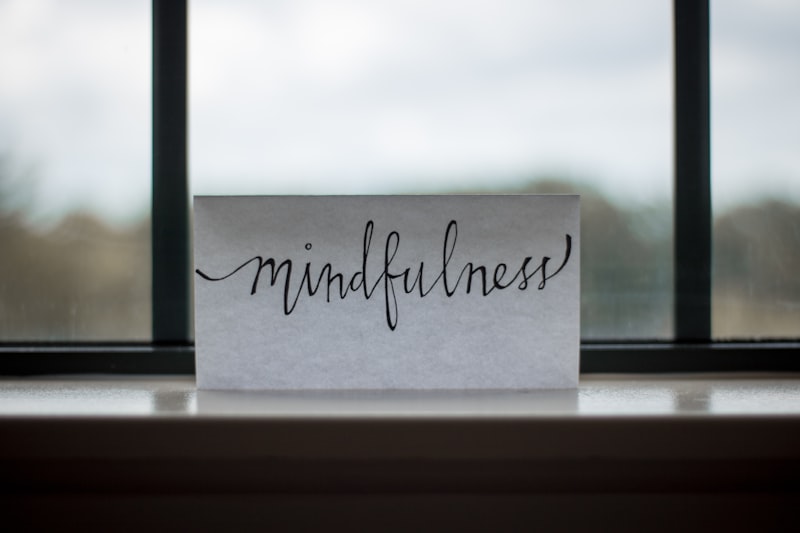
Practices such as quiet sitting, mindful breathing or short walks without devices are commonly discussed as ways to create mental pauses throughout the day.
Regular, moderate physical activity
Many health guidelines reference moderate aerobic activity — such as brisk walking — as supportive of general well-being and everyday mood management.
Limiting stimulant intake in evenings
Reducing caffeine in the hours before sleep is a standard element of sleep hygiene guidelines referenced by sleep health organizations.
Six topics worth exploring
Breathing & the Nervous System
Slow breathing is thought to activate the parasympathetic nervous system — the branch associated with rest and recovery — a topic widely covered in stress biology education.
Read in newsletter →Digital Habits & Mental Clarity
The relationship between screen time, notification overload and cognitive fatigue is an active area of wellness discussion and behavioral research.
Read in newsletter →Time in Nature
Research from environmental psychology suggests that spending time in natural settings may support mood and reduce perceived stress — a concept known as restorative environments.
Read in newsletter →Expressive Writing
Journaling and expressive writing have been explored in psychology research as tools for processing difficult emotions and gaining perspective on recurring thoughts and worries.
Read in newsletter →Social Connection
Strong social ties are consistently featured in well-being research as a factor associated with resilience, emotional regulation and general quality of life.
Read in newsletter →Food & Mood
The emerging field of nutritional psychiatry examines how dietary patterns may relate to mental well-being — an educational topic gaining growing attention in research literature.
Read in newsletter →What our readers say about the content
Feedback from subscribers about the quality and usefulness of our free educational articles. Individual experiences vary.
The articles are well-written and never sensationalist. I appreciate that everything is framed as educational rather than making big promises. Really refreshing.
I've been looking for plain-language information about stress that doesn't try to sell me something. This newsletter is exactly that. Informative and easy to read.
The sleep education articles helped me understand why I was struggling — not with a magic fix, but with actual context. That kind of honest content is hard to find.
Weekly reads on mental wellness & daily habits
One free article per week, written in plain language. No product promotions, no miracle claims — just useful educational content on stress, sleep and well-being.
✓ Always free · ✓ Unsubscribe anytime · ✓ No spam · ✓ No products sold
Healthy Life
Living Healthy Life is a free educational content platform focused on mental well-being, stress awareness and general healthy living. We publish articles, guides and newsletters that translate wellness research into accessible, everyday language.
All content on this site is for general informational purposes only. It is not intended as professional advice of any kind. We do not promote supplements, weight-loss programs, or any specific treatment. Our goal is simply to make wellness education more accessible to everyone.
If you feel overwhelmed or would like personal guidance, we encourage you to speak with a qualified healthcare professional. Subscribe to our newsletter for free weekly articles delivered to your inbox.